
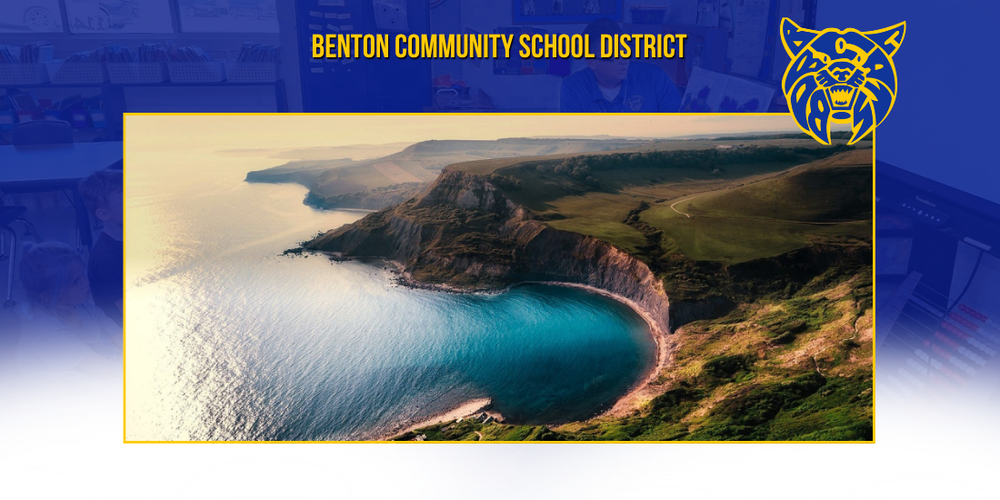
The Coastline Paradox is an observation that the smaller unit of measurement used to determine the length increases the size of a coastline. If one were to measure the length of the East coast of the United States, for example, the conclusion of how long the coast stretches would be larger if you measured inch by inch than if you measured mile by mile. Since coastlines are jagged and irregular, measuring by the mile would leave individual outcroppings unmeasured. Measuring by the inch would take into account the jagged nature of a coast and thus result in a longer coastline. Suppose a measuring tool that could measure in infinitely smaller measurements were used to measure the coastline. That measurement would never cease. We understand, however, that the East coast is not infinitely long. So, at some point, if we wanted something akin to an accurate measurement of the coast we would have to first choose a unit of measurement.
In History education, we must make a similar choice. In looking at history we can imagine a vast landscape. To accurately record and know every detail of that landscape would require an infinite number of pages in a text. Focusing too heavily on minute details can cause a historian to “miss the forest for the trees.” Conversely, focusing too heavily on major themes and movements can cause historians to omit important details. Can you really understand a mountain range by flying over them in an airplane? But what understanding do you miss if you hike a narrow path through them? To know in intimate detail what happened on any given day, or to any person in American history, would require infinite time and space to accurately convey. And even if a historian could do this, they would probably miss that major overarching theme of decades, centuries, and eras.
This challenge faces all historians, both professional and amateur alike. Last year, the state of Iowa published new social studies standards. These new standards help guide our staff and students and provide direction to history education. At Benton Community, teachers follow these standards to teach students civic responsibility, cause and effect relationships, and the skills of critical thinking and historical analysis. You may view these standards here: https://educate.iowa.gov/media/5527/download?inline.
In any broad, secondary level history course some details will be omitted. As time goes on and students experience more learning and life beyond the classroom more of those details will be forgotten. Nonetheless, the charge of history education is to provide a broad background knowledge base against which we can weigh new information and engage in critical thought. The details may be lost but the lessons must remain. Our goal is simply to equip our community with the ability to understand the world around them, identify and disarm those who may use the common tactics of despotism, and to create a society of people who practice historically informed civic responsibility and engagement.