
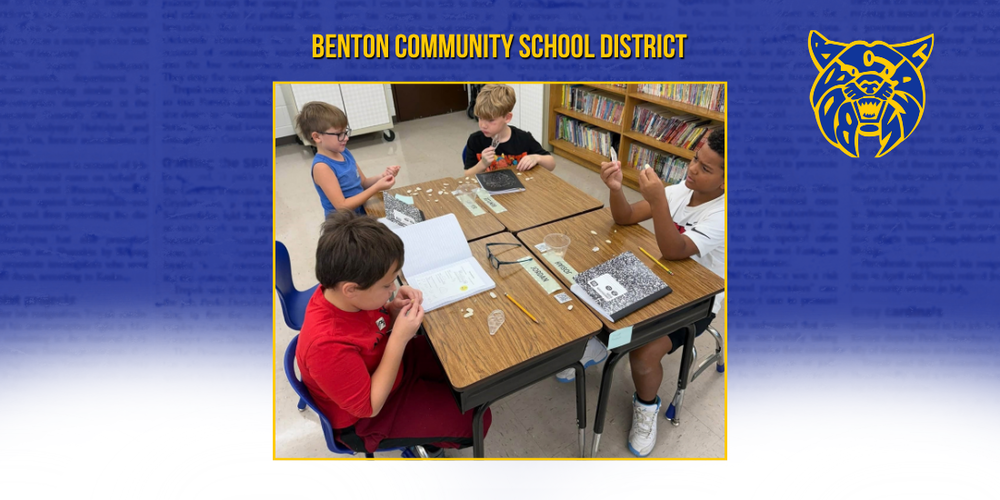
Science is best taught when it is hands-on, and students have the opportunity to explore, investigate, and learn by doing it themselves. In 3rd grade, students have the opportunity to do just this through FOSS kits. Students start the year by jumping right into hands-on learning with the Structures of Life kit. Instead of simply reading about life cycles, students get to work together in groups to make observations, ask questions, share their thinking, and develop a deeper understanding of plants and animal life cycles.
To begin the unit, students explore the plant life cycle through dissecting a variety of fruits. They then examined, counted, and compared the seeds between different fruits. They discussed the function of seeds and worked together to understand why seeds are an important part of a plant's life cycle. Next, students examined different parts of a seed. They did this by soaking lima beans, opening them up, and identifying and naming the different parts inside. Additionally, students had the opportunity to watch germination take place firsthand. In pairs, students created mini sprouters and monitored their seeds throughout the week. They took notes and discussed the changes they saw taking place. Once the seeds had been established into seedlings, we transferred them into a hydroponic planter, where we will continue to observe and examine the seeds until they have completed the entire life cycle.
Hands-on learning is crucial for engaging students in higher order thinking, engaging their curiosity, and making connections to the world around them. This type of learning makes science memorable and meaningful for young scientists!