
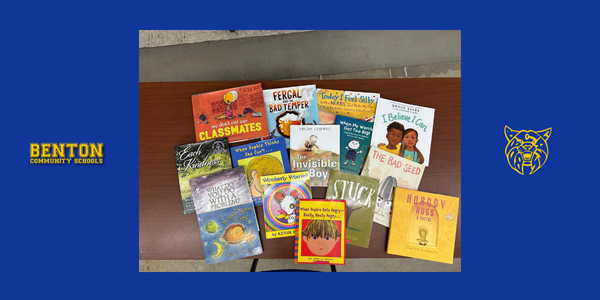
Children’s literature is a powerful teaching tool that helps children understand the social world around them. Books provide an engaging way for children to learn appropriate social skills such as empathy, communication, cooperation, and emotional regulation.
Children’s books also model appropriate social behaviors. Characters often face common challenges such as sharing, taking turns, resolving conflicts, or dealing with frustration. Stories provide clear examples of both positive and negative choices, allowing children to see consequences in a low-risk environment.
Children’s literature also supports emotional regulation, which is closely tied to social success. Many books explicitly address feelings such as anger, anxiety, or disappointment. By naming and normalizing these emotions, stories help children recognize their own feelings and learn appropriate ways to manage them. When a character uses calming strategies or asks for help, children gain tools they can use in their own lives.
Children’s literature can be intentionally selected to target specific social skills. Teachers and caregivers can choose books that focus on friendship, flexibility, communication, or problem-solving, depending on the needs of the child. When paired with guided activities such as role-playing or drawing connections to real-life situations, books become an even more effective teaching tool.