
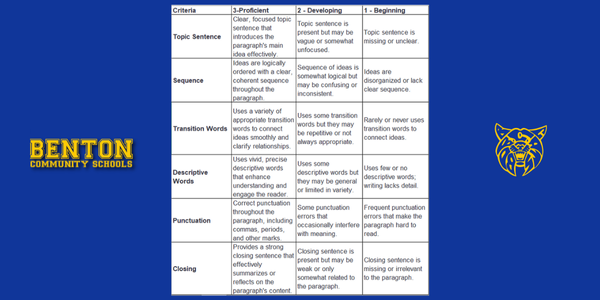
Artificial intelligence (AI) can be a helpful tool in an elementary classroom when it is used to support learning in age-appropriate ways. AI can provide extra practice, simple explanations, and interactive activities that help young students understand new concepts. Used carefully and with teacher guidance, AI can make learning more engaging and support different learning styles.
AI can support reading and writing skills by helping students practice vocabulary, phonics, and sentence building. For example, AI tools can read stories aloud, help students check spelling and grammar, or suggest ideas for writing. This allows students to build confidence while still doing their own work and learning how to express their ideas clearly.
In math, AI can be used to give students additional practice and feedback. It can create simple math problems, help explain steps in a child-friendly way, and offer hints instead of answers. This helps students learn problem-solving skills and understand mistakes without feeling frustrated. Teachers can use AI to provide practice that matches each student’s level.
It is important to teach students how to use AI responsibly. In an elementary classroom, AI should always be used with clear rules and adult supervision. Students should learn that AI is a tool to help them learn, not something that does the work for them. By introducing AI in a safe and thoughtful way, teachers can help young learners build strong skills and positive technology habits.